


















Saturday, February 11, 2012

Japanese Customs Tips – Things to Know Before Your Trip to Japan

December 11, 2009 by  
Filed under Travel Tips


Do you want to go on an electronics shopping spree while eating all the sushi you’ve always dreamed of? If so, a trip to Japan is in order. Before you pack your bags, though, make sure you take some time to learn the basic Japanese customs first, so you can fit in and have a more enjoyable trip.

One of the simplest yet most important customs in Japan is to bow when in front of someone or when you are talking to someone. Bows vary depending on the situation and the person in front of you. However, just keep in mind that the more superior the person in front of you is, the deeper and longer the bow should be. Bows also tend to be long and deep when apologizing.

Also, when talking to someone, make sure you use his or her last name, along with the suffix -san or -sama (if you want to be more respectful), since first names are only reserved for close friends and family members. It is also important to greet others sincerely, if not, energetically, such as saying good morning (ohayo gozaimasu), good day (konnichiwa), good evening (konbanwa) or good night (oyasuminasai). Remember to say goodbye (sayounara or jyaa ne) before parting ways with someone, as well.

Another of the most popular Japanese customs is removing your shoes at the entrance of a house, as well as most Japanese business establishments and hotels. This custom is practiced in many countries but is particularly important in Japan. Usually, a rack is provided where you can put your shoes. If there is none, simply place your shoes beside the others in an orderly fashion with the toe facing the door, making them easier to put on before you leave.

Sampling Japanese cuisine is one of the highlights of a trip to Japan and while Japanese food is delicious in itself, it is best enjoyed with chopsticks. Indeed, using chopsticks is one of the things you should learn how to do before your trip. It shouldn’t be that difficult. Just find someone to teach you how then keep on practicing. Once you know how, be polite by not leaving your chopsticks in your rice bowl or clattering them together.

Other ways to show respect at the table include saying ‘itadakimasu’ first before eating. If someone gives you an oshibori or rolled wet towel – a common practice in Japanese restaurants – use this to wipe your hands only then set it aside. Never use it to wash your face and never mistake it for a napkin. Remember to clear your plate, as well. As for eating noodles, slurping is acceptable, and is, in fact, one of the most unique Japanese customs.

Once you are finished with your meal at a Japanese restaurant, place your payment on the small tray provided and do not leave a tip. The ‘no tipping’ rule also applies to other establishments in Japan since this is widely considered as an insult so just pay the price and use your extra cash to shop for gadgets and other goodies on your trip to Japan.

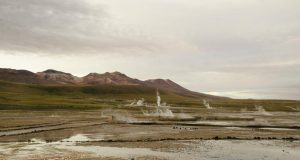
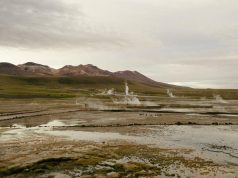
Aside from getting your fill of Japanese cuisine, it’s also a great idea to go to an onsen or a hot spring during your trip to Japan so you can relax and refresh your mind and body. There are Japanese customs to observe when bathing, too. For one, keep in mind that onsens and public baths are technically not for bathing, but for soaking, so wash and rinse before getting into the water. Also, take care not to dirty the water in any way. Although you may still receive stares because you are a foreigner, at least, they will be stares of curiosity or even awe, rather than rude ones.

Isabella Olsen is a travel writer who has toured major destinations worldwide, including many European countries by car. To book a car rental Latvia, or learn more about car hire worldwide, visit www.zencarhire.com

Similar travel Posts You May Be Interested In:

Speak Your Mind

Tell us what you're thinking...
and oh, if you want a pic to show with your comment, go get a gravatar!

*
To prove you're a person (not a spam script), type the security word shown in the picture. Click on the picture to hear an audio file of the word.
Click to hear an audio file of the anti-spam word